


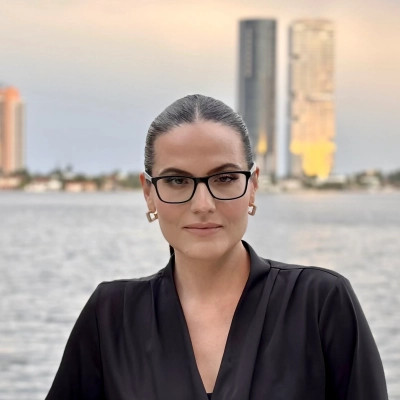
1 in this session: Carolina Estevez
- Embrace Cultural Differences as Strengths
- Foster Understanding Through Active Listening
Embrace Cultural Differences as Strengths
Carolina EstevezPsychologist, Soba
When counseling intercultural couples, it is important to maintain the mindset that differences are not problems to be solved but realities to be understood. Each partner should be invited to share their cultural values, meaningful traditions, and communication styles in their own words, framing them as strengths while the other partner practices active and reflective listening. This establishes respect, understanding, and curiosity rather than defensiveness.
From there, help the couple identify how these values shape expectations of each other around family roles, conflict, intimacy, or even daily routines. This helps to relieve tension that is rooted in assumptions rather than personal occurrences.
One strategy that has proven especially helpful is cultural translation through shared meaning. This encourages couples to explore the intent behind each other's cultural practices and find ways to honor each partner's perspective. For example, if one partner's culture emphasizes collective decision-making with family while the other values independence, the partners must discuss what each is seeking, whether it be belonging, autonomy, or respect, and compromise on practices that meet the needs of both partners.
This open and honest communication surrounding culture provides couples with an opportunity for creativity and deeper connection. Furthermore, couples can view this as a blend or co-creation of a unique culture as divides become less of a barrier and more of a foundation for acceptance and resilience.
Foster Understanding Through Active Listening
Active listening and empathy are crucial for counseling intercultural couples. These skills help partners understand each other's cultural backgrounds and perspectives. By truly hearing and feeling what their partner is expressing, couples can bridge cultural divides more effectively. Counselors can guide couples in practicing active listening techniques, such as repeating back what they've heard and asking clarifying questions. This approach fosters a deeper connection and mutual understanding between partners from different cultural backgrounds. Couples should commit to regularly practicing active listening and empathy in their daily interactions.
Cultural exchange through shared experiences can greatly benefit intercultural couples. Engaging in activities from each partner's culture allows for a deeper appreciation of one another's backgrounds. This could involve trying new foods, celebrating traditional holidays, or learning each other's languages. These shared experiences create common ground and strengthen the couple's bond. Over time, this cultural exchange can lead to the development of a unique, blended family culture. Couples should make a plan to regularly participate in cultural activities from both partners' backgrounds.
Open dialogue about cultural expectations is essential for intercultural couples. Many misunderstandings and conflicts arise from unspoken assumptions rooted in cultural differences. By openly discussing these expectations, couples can identify potential areas of conflict before they become major issues.
This dialogue should cover topics such as family roles, child-rearing practices, and financial management. Regular conversations about cultural expectations can help couples navigate their differences and find compromises. Partners should set aside dedicated time each week to discuss their cultural expectations and experiences.
Addressing language barriers is crucial when counseling intercultural couples. Professional interpreters can play a vital role in ensuring clear communication during therapy sessions. They help convey not just words, but also cultural nuances and emotions that might otherwise be lost in translation. Using an interpreter allows both partners to express themselves fully in their native language, leading to more productive counseling sessions. This approach can also model effective communication strategies for the couple to use outside of therapy. Couples facing language barriers should consider working with a professional interpreter to enhance their communication.
Developing individualized conflict resolution techniques is key for intercultural couples. Standard approaches may not always work due to cultural differences in communication styles and problem-solving. Counselors can help couples create tailored strategies that respect both partners' cultural backgrounds. These techniques might involve combining elements from both cultures or creating entirely new methods that work for the specific couple. By having a set of agreed-upon conflict resolution tools, couples can navigate disagreements more effectively. Couples should work with their counselor to develop and practice personalized conflict resolution strategies.