


JS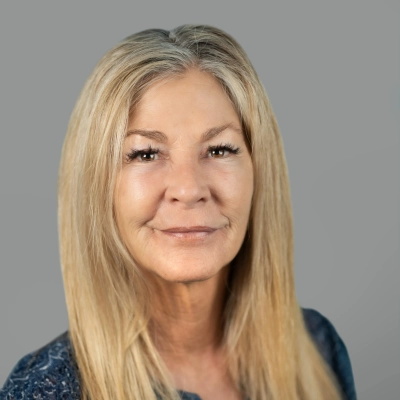 KC
KC
KCTelehealth therapy has transformed mental health care, but it comes with unique challenges that require careful attention to boundaries and safety. This article draws on insights from experienced therapists who have developed practical strategies for conducting effective remote sessions. Learn how to assess your clients' environments, establish clear expectations, and determine which therapeutic work belongs in traditional office settings.
KC

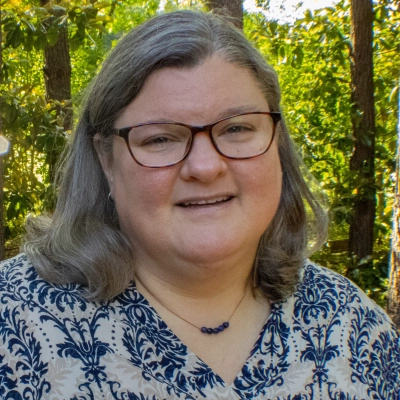
5 in this session: Judy Serfaty · Kosta Condous · Michael Anderson · Dr. Christa Smith Ph.D. · Michelle F. Moseley
Judy SerfatyClinical Director, The Freedom Center
When a telehealth client joins remotely from a car or in some form of public location, I will initially determine if the client can speak in complete privacy and if their environment is safe. While a parked car may be sufficient under the right conditions (i.e., the client is by themselves, stationary, and able to have a private conversation), a moving vehicle, busy cafe, or office break area typically will alter my assessment.
Ultimately, my boundaries are simple: "I would like to ensure that you feel comfortable speaking freely, and that your privacy is maintained. Will you be able to relocate to a private and safe area prior to continuing with our teletherapy?"
In this regard, I believe how one frames these issues does matter. In no way am I presenting the clients' inability to maintain privacy as a violation of the rules. Rather, I see them as aspects of maintaining the integrity of the therapy relationship. Should the client's circumstances prevent relocation at that time, I may limit the content of our teletherapy session to non-sensitive topics or schedule a future appointment based on the specific circumstances.
Kosta CondousCo-Founder / Co-Owner, Higher Purpose Recovery
In outpatient addiction work, plenty of our clients log on from a car on a work break or from a parking lot. Telling them "that's not good enough" can cost us the session entirely, and the session is the point. So we meet them where they are first. Then we protect the room.
We're really asking two questions. Can they speak without being overheard, and is today a day when something high-risk might surface? A routine check-in from the car is usually fine. Cravings, a relapse, or family conflict needs four walls.
The line we use is more offer than order. Something like, "I want this to be yours, not the whole parking lot's, so can you get somewhere private, or should we grab twenty minutes tonight?" Meeting people where they are and keeping them safe aren't opposites. They're the same job.
Michael AndersonClinical Director, Healing Pines Recovery
The real question isn't the car. It's whether the client can regulate and stay present there, or whether the exposure keeps them guarded for the whole hour. Someone parked somewhere quiet, able to talk freely, is often fine to continue with. If people are walking past the window, the session tends to turn into performance, and that's unhelpful for the work.
Safety sets the ceiling. If there's any real clinical risk on the table that day, a public setting isn't where you open it.
The line that tends to move people without bruising the relationship is simple: “I want to give this the privacy it deserves, so let's find you four walls, even if we pick it up in an hour.” It reads as protecting them, not correcting them.
Dr. Christa Smith Ph.D.Psychologist, CEREVITY
My whole practice is telehealth, through CEREVITY, so this comes up constantly. I have stopped treating it as a rule to enforce and started treating it as three separate questions.
First, is the client driving? That one is not negotiable, and it is not about privacy; it is about safety. If the car is moving, we do not have a session. I say so immediately and without hedging, because hesitating implies it might be fine.
Second, is the setting private enough for what we are about to do? A parked car is often the most private place a person has. For clients living with roommates, family, or thin apartment walls, the car is not avoidance; it is the only room with a door. I have had some of the most honest sessions of my career with someone parked outside their office. What matters is whether anyone can hear, and I just ask: “Who is within earshot right now?”
Third, is the setting private enough for the client? This is the one clinicians miss. People self-censor when they are not sure they are alone, and they usually do not announce it. The work gets thinner, and neither person names why.
The line I use is: “I want to make sure you can say anything you need to say. Can anyone hear you where you are?” It is a question about their freedom, not a challenge to their choice, so nobody has to defend themselves. If the answer is uncertain, I follow with: “Then let's use today for something lighter and save the harder piece for when you have the room. I would rather you not have to edit yourself.”
That framing matters. Saying “this is not an appropriate setting” makes the client the problem. Saying “I do not want you to have to edit yourself” puts me on their side of it, and in my experience clients move themselves without being asked twice.
Two practical additions. I ask everyone in the first session where they will usually take calls from, so it is a logistics conversation before it is ever a problem. And I confirm location at the start of every session regardless, because if someone is in crisis, I need to know where they physically are.
Michelle F. MoseleyLicensed Clinical Mental Health Counselor, Michelle F. Moseley Counseling, PLLC
I provide clear guidelines for telehealth sessions prior to beginning services with anyone. One of those guidelines is that counseling sessions provided via telehealth require the same privacy and ability to be present as if we were in the office together. I encourage clients to find a private location with a good internet connection prior to their sessions. I also clearly outline that I am not able to provide a therapy session while the client is driving. Counseling can bring up intense emotions, and it is part of my role as a licensed mental health professional to ensure that clients are safe, both physically and psychologically, during our telehealth sessions. Operating a vehicle requires focus and concentration; therefore, attending therapy while driving is not conducive to being able to fully engage in either the therapy or the vehicle operation.
Generally, having a clear discussion about these expectations at the start of the counseling relationship provides the structure to ensure that clients join telehealth sessions from private, stationary locations. If someone does log in from a public place or a moving vehicle, I simply remind them that part of my role as a mental health provider is to help ensure they have privacy and safety for their sessions. They may already have a plan for resuming the session once they are in a more suitable location, or we may briefly brainstorm options together. This approach helps set the boundaries of therapy early and keeps the focus on my commitment to supporting the client in being able to fully engage in their therapy sessions.
Q&A · Sep 7
Q&A · Jan 9
Q&A · May 4
Q&A · Oct 19